Features
The IMDG Code 2024 Edition (Amendment 42-24) is an essential two-volume set designed to ensure safe and compliant transport of dangerous goods by sea. This comprehensive guide provides the latest regulations, incorporating all updates and amendments necessary for maritime professionals to handle hazardous materials effectively. Volume one covers the general provisions, including classification, packaging, labeling, and documentation requirements for dangerous goods. It also addresses the conditions under which these goods can be safely transported, ensuring adherence to international safety standards.
Volume two delves into detailed guidelines on stowage, segregation, and emergency procedures, providing a practical approach to managing risks associated with hazardous materials during sea transport. The code includes critical information for various stakeholders, including shipping companies, regulatory authorities, and safety officers, who must navigate the complex regulatory environment of maritime transport.
This edition reflects the latest industry practices and legal requirements, ensuring that all parties involved in the transport of dangerous goods are well-informed and prepared to meet their obligations. With its clear, user-friendly layout and thorough coverage of all relevant topics, the IMDG Code 2022 Edition is an indispensable resource for anyone involved in maritime safety, helping to protect lives, property, and the environment at sea.
The International Maritime Dangerous Goods Code (IMDG Code) (IMDG Code Amendment 42-24) lays out the regulatory framework for all aspects of handling dangerous goods and marine pollutants in sea transport.
The IMDG Code is divided into two volumes: Volume 1 containing sections on general provisions, definitions and training; classification; packing and tank provisions; consignment procedures; construction and testing of packagings, IBCs, large packagings, portable tanks, MEGCs and road tank vehicles and transport operations, and Volume 2 containing the Dangerous Goods List, special provisions and exceptions, Appendix A (list of generic and N.O.S. proper shipping names), Appendix B (glossary of terms) and the Index.
History
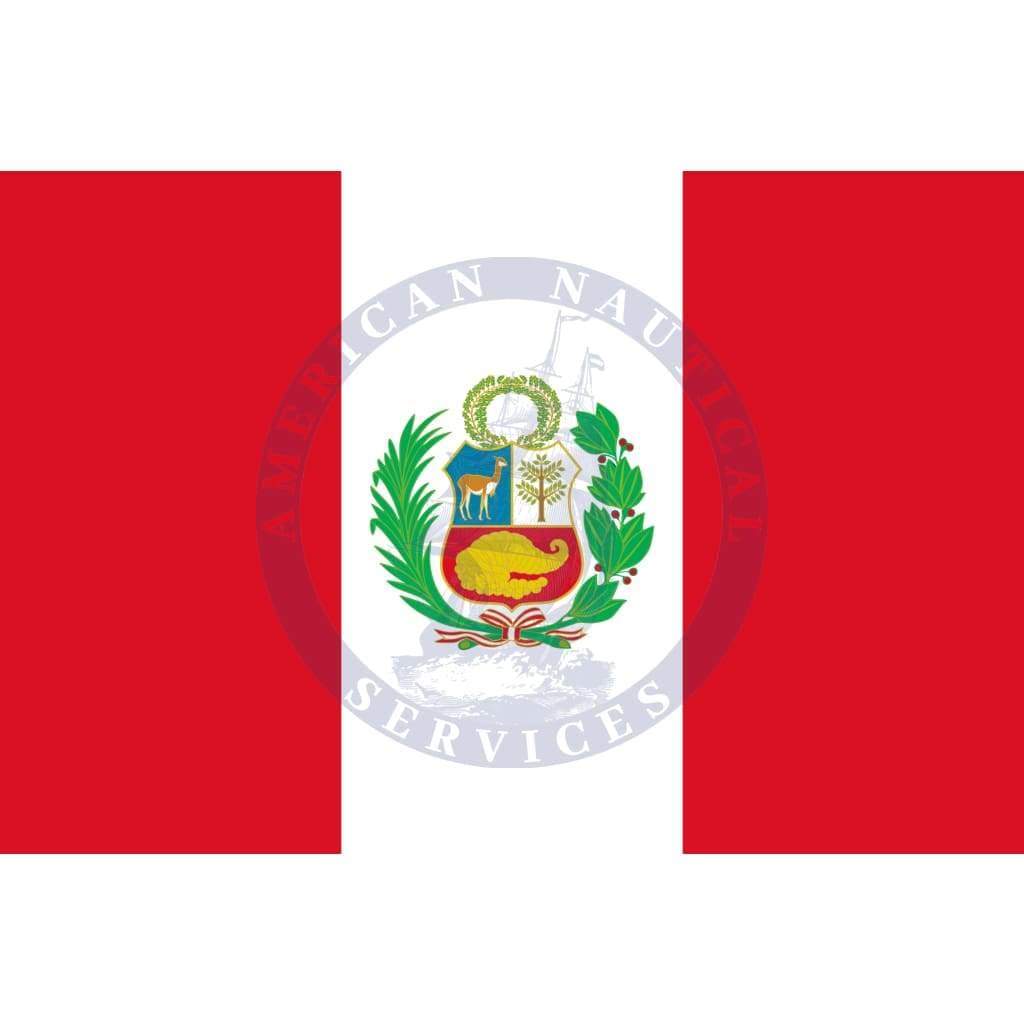
The history of Peru flag dates back to the country's fight for independence from Spanish colonial rule. The Peru flag was first adopted on May 31, 1822, during the revolutionary period. The original design featured a red sun in the center, representing Inti, the Incan sun god who held sacred significance in pre-Columbian Peru.
On February 25, 1825, the design underwent a significant modification when the sun symbol was replaced with Peru's national coat of arms. The current version of the Peru flag was officially established on March 31, 1950, featuring a refined coat of arms that remains the standard today. This makes the Peru flag one of the most historic national flags in the world, with nearly two centuries of continuous use.
The Peru flag's distinctive vertical triband design has remained remarkably consistent throughout its history, reflecting the nation's stability and pride in its independence heritage.
Peru Flag Meaning: What Do the Colors on the Peru Flag Mean?
Understanding the Peru flag meaning provides insight into the nation's values and history. What do the colors on the Peru flag mean? Each element carries profound symbolism:
Red Stripes: The two red vertical stripes on either side of the Peru flag represent the blood that was sacrificed by Peruvian patriots and independence fighters during the struggle against Spanish colonial rule in the early 1820s. This color honors those who gave their lives in defense of Peru's sovereignty and freedom.
White Stripe: The center white stripe symbolizes peace, purity, and the hope for harmony following independence. The white also represents the freedom and justice that Peru achieved through its revolutionary efforts.
National Coat of Arms: The centered coat of arms adds additional layers to the Peru flag meaning:
-
Vicuña (top left): Represents Peru's native fauna and natural wealth
-
Quinine Tree (top right): Symbolizes Peru's botanical resources and contribution to medicine
-
Cornucopia of Coins (bottom): Represents mineral wealth and economic prosperity
-
Civic Crown: An ancient Roman military honor signifying citizens who saved others' lives
-
Palm and Laurel Branches: Represent victory and glory
Civil Flag vs. State Flag
It's important to note that Peru has two official flag versions. The civil flag (used on smaller 12" x 18" flags) features only the red and white stripes without the coat of arms. The state flag, which includes the national coat of arms in the center, is the version required for maritime vessels and official government use.
Maritime Requirements
Vessels sailing under the Peru Country Flag are required to have this flag on board as part of flag state requirements that derive from maritime regulations in the International Code of Signals and the International Safety Management (ISM) Code. These codes are published by the International Maritime Organization (IMO) as an ongoing effort to reinforce maritime safety procedures and communications to the international maritime community.
Fleet management companies and ship owners are responsible for ensuring that each vessel in their respective fleets has the appropriate flag signage onboard to maintain compliance. This Peru flag is used to identify the flag state a vessel is sailing under and to communicate with other vessels under the provisions of the International Code of Signals.
Specifications
|
Specification
|
Details
|
|
Design
|
Vertical triband
|
|
Colors
|
Red, White, Red
|
|
Ratio
|
2:3 (height to length)
|
|
Material
|
100% Nylon
|
|
Hardware
|
Brass grommets, canvas heading
|
|
Adoption Date
|
March 31, 1950 (current version)
|
|
Original Adoption
|
May 31, 1822
|
Addtional Information
Why Choose American Nautical Services?
As maritime supply specialists, we understand the critical importance of proper flag state identification. Our Peru Country Flags are:
✓ Certified for maritime use ✓ Compliant with IMO standards ✓ Built to withstand marine environments ✓ Available for immediate shipment ✓ Backed by expert nautical supply service
Frequently Asked Questions
Q: What is the official Peru flag meaning?
A: The Peru flag meaning is deeply rooted in independence history. The red stripes honor lives lost in the fight for freedom, while the white stripe represents peace and hope.
Q: When was the Peru flag adopted?
A: The history of Peru flag began on May 31, 1822, with the current design officially adopted on March 31, 1950.
Q: What do the colors on the Peru flag mean?
A: The red represents the blood of independence fighters, and white symbolizes peace and freedom achieved through Peru's independence.
Q: Is the Peru flag required for vessels?
A: Yes, vessels registered under Peruvian flag state must display the Peru Country Flag according to international maritime regulations.
Q: What's the difference between the civil and state Peru flag? A: The civil flag has only red and white stripes, while the state flag includes the national coat of arms in the center.