Overview
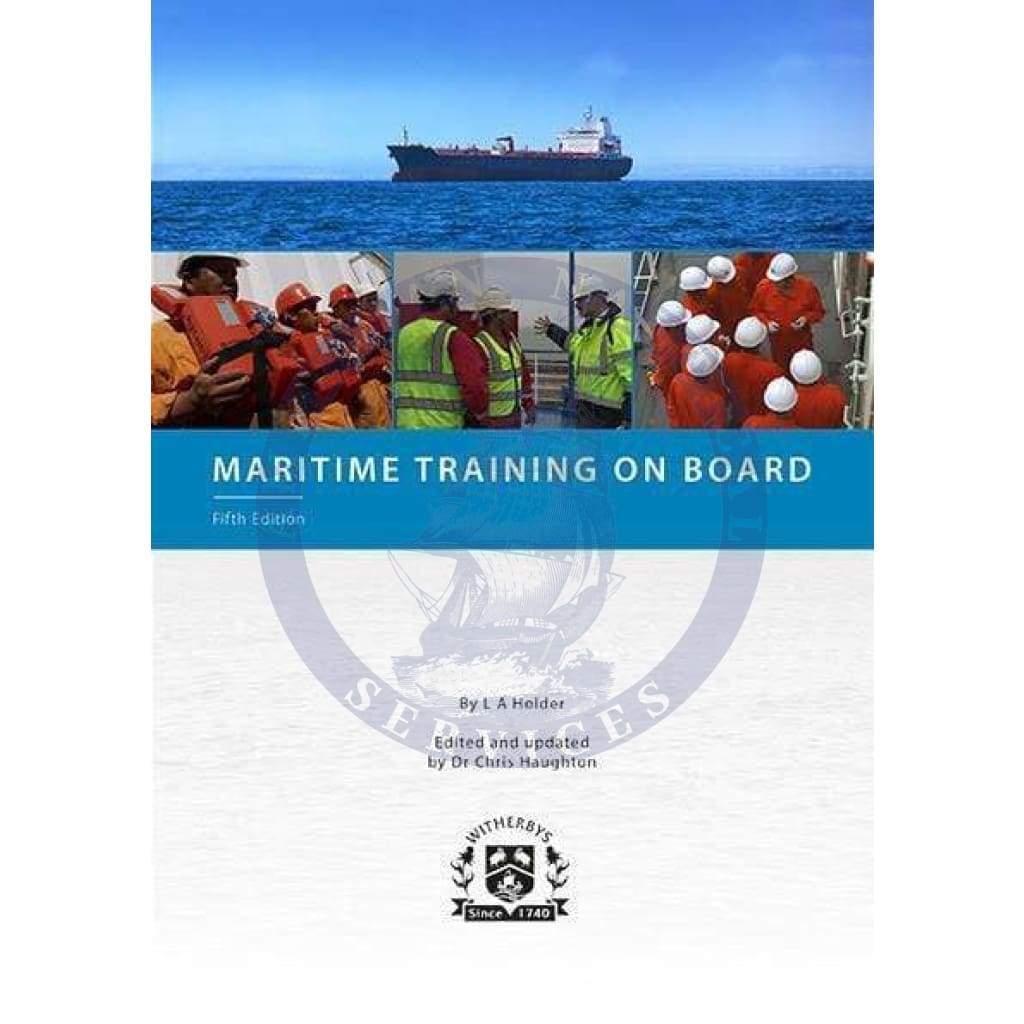
Rules alone do not make training effective. It requires the dedication, interest and skills of everyone involved: shore managers; senior officers on board; trainers and trainees. Maritime Training On Board, based upon the experience of managers and trainers over many years, is an essential tool in making training more effective, enjoyable and rewarding for all.
This fully revised Fifth Edition incorporates both the recent technological advances to the delivery of training both on board and ashore, as well as the 2010 Amendments to the Manila Convention, which entered into force in 2012. Practical and concise, it includes chapters on evaluation and assessment, advice for Masters trainers and trainees, as well as the guiding principles and theories behind maritime training.
This book is an important guide to the fundamental issues that underpin all forms of training, and helps to ensure that managers, trainers and trainees make the best use of education and training opportunities on board.
lang="en-GB"
Content
Contents
Foreword to the Fifth Edition
Foreword to the Fourth Edition
Acknowledgements
Acronyms and Abbreviations
Introduction
Chapter 1 Teaching, Training and Learning
1.1 Before we get started …
1.2 The law
1.3 How do we learn?
1.4 Levels of learning: Bloom’s Taxonomy
1.5 Theory into practice
1.6 Jargon-buster!
1.7 Training vs drills
1.8 Learning theory
Chapter 2 For Trainees and Learners
2.1 First steps on joining a new ship
2.2 What is an Individual Learning Programme (ILP)?
2.2.1 Formal or ‘structured’ learning
2.2.2 Informal or ‘unstructured’ learning
2.3 Time management
2.4 Conclusion
Chapter 3 For Designated Shipboard Training Officers (STOs)
3.1 The Shipboard Training Officer’s (STO)
3.2 Role Trainee-centred learning
3.3 Values-based safety (VBS)
3.4 Shipboard training: setting objectives and programme
3.5 Planning a training event
3.6 Delivery
3.7 Questions
3.8 Language, culture and learning experiences
3.9 The end of a session
3.10 After the session
3.11 Mentoring
Chapter 4 Evaluation and Assessment
4.1 Evaluation on board
4.2 Performance appraisals
Chapter 5 Resources
Chapter 6 For the Master
6.1 Organisation
6.2 The training plan
6.3 Setting objectives
6.4 Resources
6.5 Monitoring and reporting
Chapter 7 For the Company Training Officer (CTO)
7.1 Regulatory bodies
7.2 Applicable laws
7.3 Responsibilities of companies
7.4 Assessment
7.5 Refresher training and updating
7.6 Commercial and operational training
7.7 Motivation
Chapter 8 Further Information and Organisations
References and Further Reading
Essential references Academic references
Important guides and additional publications
Details
Title: Maritime Training On Board, 5th Edition
Number of Volumes: 1
Edition: Fifth
Number of Pages: 82
Product Code: WS1541K
ISBN: ISBN 13: 978-1-85609-736-9 (9781856097369), ISBN 10: 1-85609-736-6 (1856097366)
Published Date: April 2017
Binding Format: Paperback
Book Height: 290 mm
Book Width: 210 mm
Weight: 0.40 kg
Author: Elizabeth Anne Holder