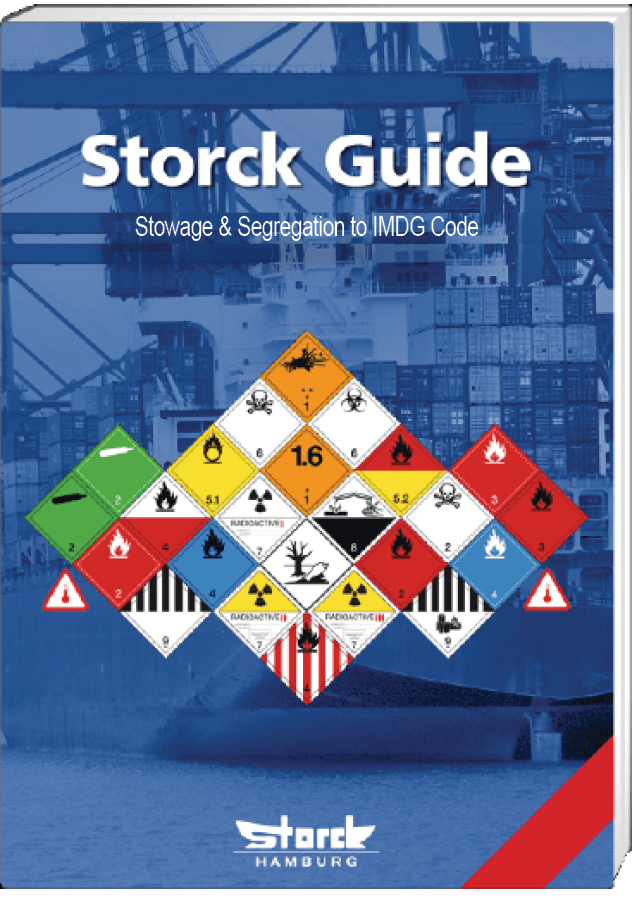
Stay compliant with the latest IMDG Code publications from American Nautical Services. As an ISO 9001 certified nautical solutions provider and official IMO publications distributor, ANS delivers the complete suite of International Maritime Dangerous Goods (IMDG) Code volumes, supplements, and amendments you need for safe, compliant transport of hazardous materials by sea.
Purpose and Scope of the IMDG Code
The IMDG Code provides comprehensive guidance on:
- Classification and identification of dangerous goods across 9 hazard classes
- Packaging requirements and specifications for safe containment
- Labeling, marking, and placarding standards for hazard communication
- Documentation and declaration procedures for shipping papers
- Stowage and segregation requirements to prevent incompatible cargo interactions
- Emergency response procedures for incident management at sea
Carrying the current, official IMDG Code publication is a legal requirement for vessels transporting dangerous goods. Operating with outdated editions means your vessel is out of compliance and at risk during port state inspections.
IMDG Code Classes: The 9 Categories of Dangerous Goods
The IMDG Code categorizes hazardous materials into nine distinct classes based on their primary hazard characteristics:
- Class 1: Explosives – Substances and articles with explosion hazard
- Class 2: Gases – Compressed, liquefied, or dissolved gases (flammable, non-flammable, toxic)
- Class 3: Flammable Liquids – Liquids with flash points below certain temperatures
- Class 4: Flammable Solids – Solids that are readily combustible or may cause fire through friction
- Class 5: Oxidizing Substances and Organic Peroxides – Materials that may cause or contribute to combustion
- Class 6: Toxic and Infectious Substances – Substances liable to cause death or injury if swallowed, inhaled, or by skin contact
- Class 7: Radioactive Material – Materials containing radionuclides
- Class 8: Corrosives – Substances that cause severe damage to living tissue or corrode metals
- Class 9: Miscellaneous Dangerous Substances – Materials presenting a danger not covered by other classes
Each class has specific packaging, labeling, and stowage requirements detailed throughout the IMDG Code volumes.
Learn More about IMDG Classes
Complete IMDG Code Publications Available at ANS
Main Publications
IMDG Code 2024 Edition (Two-Volume Set)
The complete regulatory text including:
- All 9 classes of dangerous goods with detailed classification criteria
- Comprehensive Dangerous Goods List with over 3,000 entries
- Packaging requirements and specifications
- Consignment procedures and documentation requirements
- Construction and testing of packagings and containers
- Transport operations regulations
IMDG Code Supplement 2024
Essential companion volume containing:
- EmS Guide (Emergency Schedules) – Fire and spillage response procedures
- Medical First Aid Guide (MFAG) – Treatment protocols for exposure to hazardous substances
- Reporting Procedures – Incident and non-compliance reporting requirements
- Cargo Transport Unit (CTU) Packing Guidelines – Safe packing and securing of cargo
- INF Code – Requirements for irradiated nuclear fuel, plutonium, and high-level radioactive wastes
- Pesticide Use in Ships – Fumigation and pest control regulations
Supporting Publications and Resources
- Latest amendments and corrections as issued by IMO
- Quick reference guides for classification and compatibility
- IMDG Code wall charts for bridge and cargo office reference
- Digital versions available for integration with ship management systems
- IMDG Code training materials and e-learning courses
Browse our complete IMDG Code collection to ensure your vessels carry every required publication.
Why Choose ANS for Your IMDG Code Publications?
Navigating the complexities of dangerous goods regulations requires more than just access to the IMDG Code book—it demands a partner who understands the regulatory landscape and can support your compliance objectives.
- ISO 9001 Certified Quality and Expertise
- Official IMO Distributor Status
- Comprehensive IMDG Support Services
- Fast, Reliable Global Delivery.
Frequently Asked Questions About the IMDG Code
What does IMDG stand for?
IMDG stands for International Maritime Dangerous Goods. The IMDG Code is the comprehensive regulatory framework for transporting hazardous materials by sea.
What is the IMDG Code used for?
The IMDG Code establishes international standards for safely transporting dangerous goods by sea. It covers classification, packaging, labeling, documentation, stowage, segregation, and emergency procedures for hazardous materials in maritime shipping.
Is carrying the IMDG Code mandatory?
Yes. Under SOLAS Chapter VII, vessels carrying dangerous goods in packaged form must carry the current edition of the IMDG Code and its Supplement. This is a mandatory carriage requirement subject to port state control inspection.
How often is the IMDG Code updated?
The IMO updates the IMDG Code on a two-year amendment cycle. The latest edition (Amendment 42-24) is in the transition period for 2025 and becomes mandatory January 1, 2026. It expires on December 31, 2027.
What's included in the IMDG Code Supplement?
The IMDG Supplement contains the Emergency Schedules (EmS) Guide, Medical First Aid Guide (MFAG), reporting procedures for incidents involving dangerous goods, cargo transport unit packing regulations, pesticide use regulations, and the INF Code for radioactive materials transport.
Can I use the previous edition of the IMDG Code?
No, not after the mandatory implementation date. Once a new amendment becomes mandatory (January 1, 2025 for Amendment 42-24), vessels must carry the latest edition. Using an outdated edition constitutes a compliance deficiency during inspections.
What are the penalties for IMDG Code non-compliance?
Non-compliance can result in vessel detention, port state control deficiencies, monetary fines, and in serious cases, criminal liability for the shipowner or operator. Beyond penalties, non-compliance increases the risk of dangerous goods incidents that could cause injury, environmental damage, or loss of cargo.
Does ANS offer digital versions of the IMDG Code?
Yes. In addition to printed volumes, ANS provides access to digital formats and online subscriptions that can be integrated with vessel management systems for easier reference and updating.
What are the 9 IMDG Code classes?
The IMDG Code categorizes dangerous goods into 9 classes: Class 1 (Explosives), Class 2 (Gases), Class 3 (Flammable Liquids), Class 4 (Flammable Solids), Class 5 (Oxidizing Substances and Organic Peroxides), Class 6 (Toxic and Infectious Substances), Class 7 (Radioactive Material), Class 8 (Corrosives), and Class 9 (Miscellaneous Dangerous Substances and Articles).
How do I know which IMDG publications my vessel needs?
All vessels carrying dangerous goods require the main IMDG Code (two volumes) and the IMDG Supplement. Additional publications may be required based on your flag state, cargo types, and trading routes. Contact ANS for personalized carriage requirement guidance based on your specific operations.
Where can I get IMDG Code training?
ANS offers IMDG Code training resources, e-learning courses, and can recommend certified training providers. Proper training should cover dangerous goods classification, packaging selection, documentation preparation, stowage planning, and emergency response.
What's the difference between IMDG Code and DGR?
The IMDG Code governs maritime transport of dangerous goods, while the DGR (Dangerous Goods Regulations) published by IATA governs air transport. Though both follow UN Recommendations on the Transport of Dangerous Goods, they have mode-specific differences in packaging, labeling, and procedures.